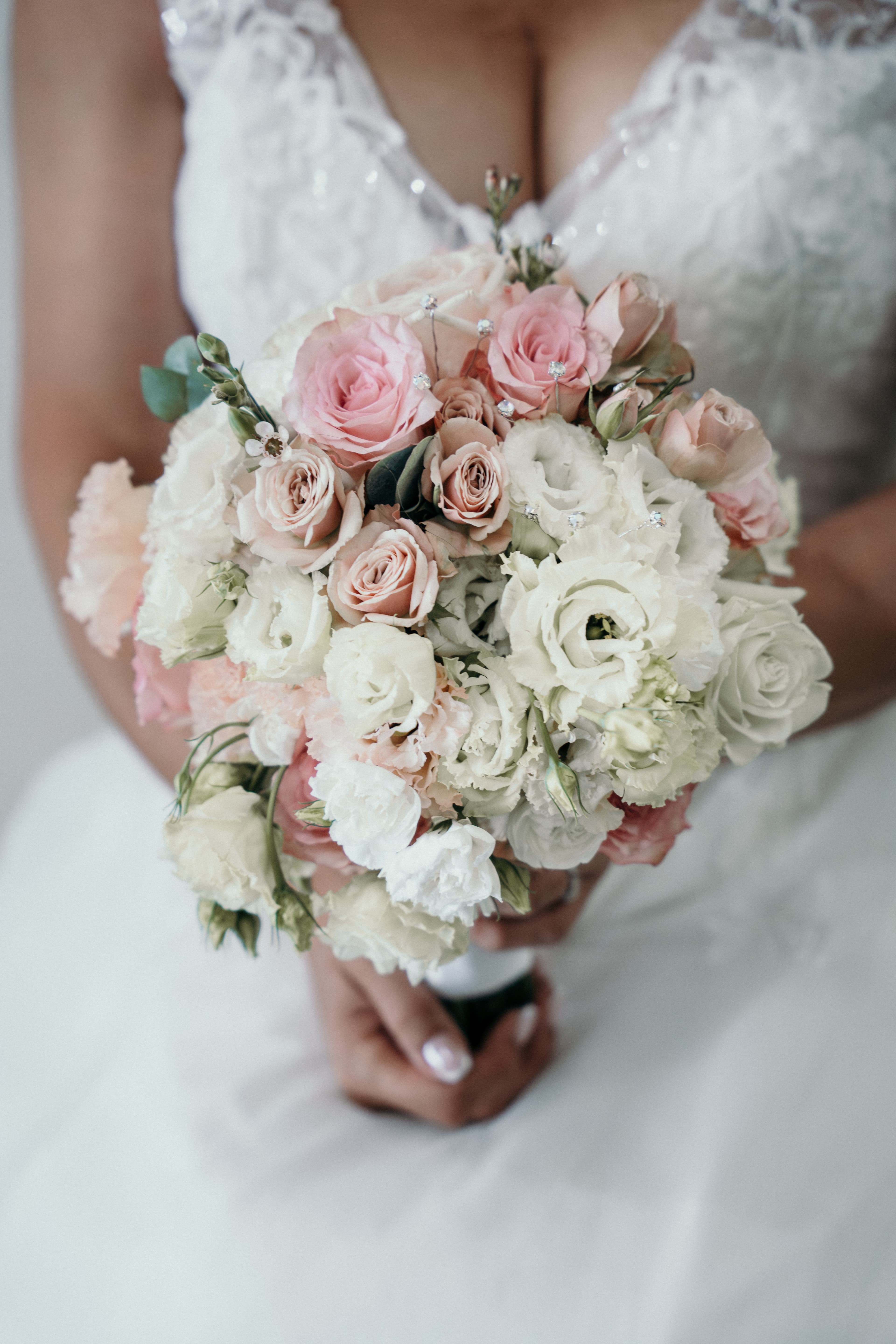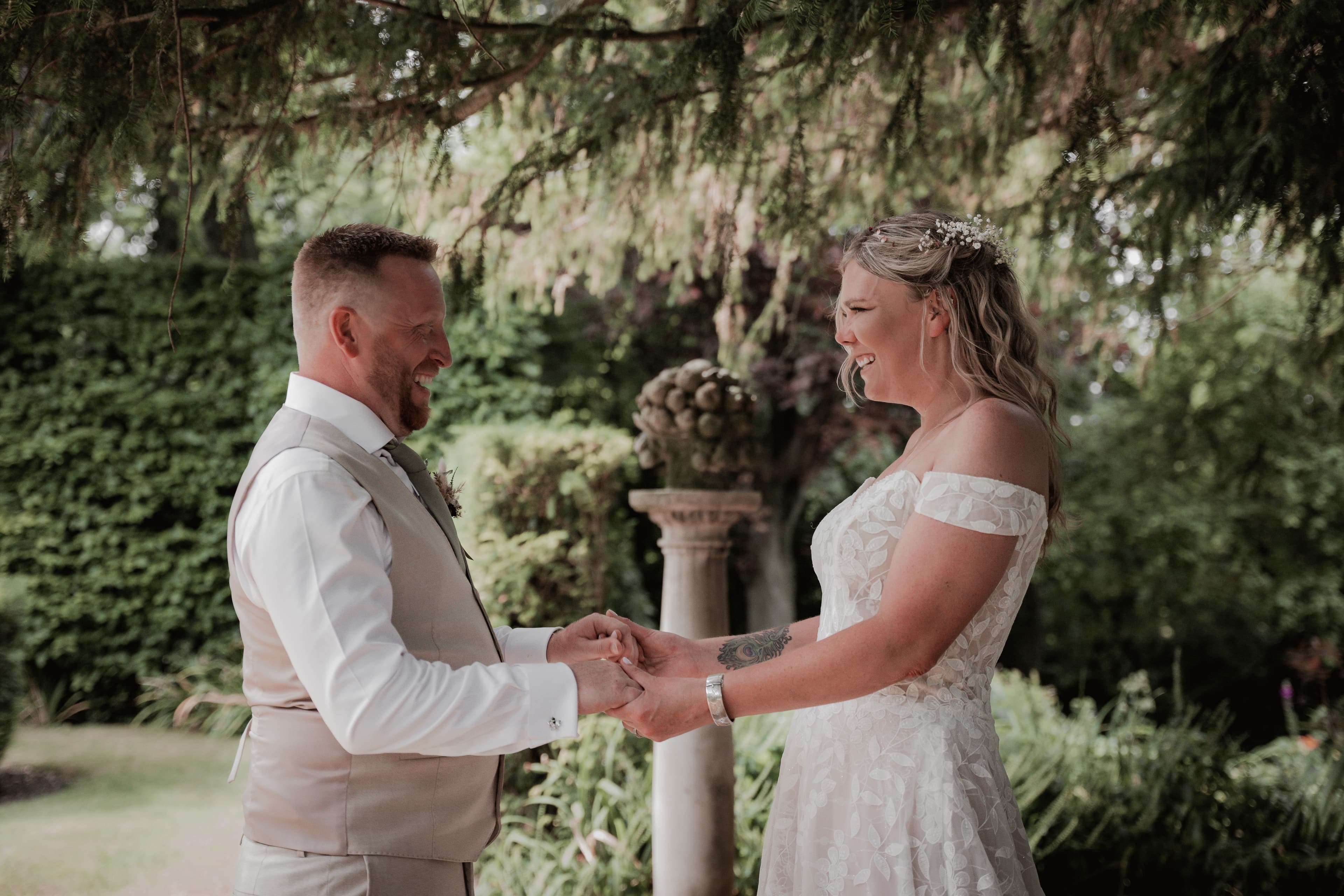
Documentary wedding photography is less about posing and more about paying attention — here's what that looks like in practice.
There's a moment at almost every wedding that nobody plans for. It might be your dad noticing you walk into the room before anyone else does. It might be two of your oldest friends crying with laughter at something you'll never fully know about. It might just be the way the light sits across the table during the speeches. Documentary wedding photography is built around those moments — not recreating them after the fact, but being positioned to catch them as they happen.
The difference between documentary and traditional wedding photography comes down to how much directing is involved. Traditional coverage tends to be more structured: you're guided into positions, groups are assembled and arranged, and the photographer shapes a lot of what ends up in the frame. That approach works well and produces beautiful results. But documentary photography sits at the other end of that spectrum. My job is to observe, anticipate, and stay out of the way. You're not performing for the camera — you're just getting married, and I'm watching carefully.
That said, I want to be honest about what documentary coverage actually involves, because there's a version of it that gets oversold. Saying you'll spend a whole wedding day as a completely invisible presence isn't quite realistic. Getting-ready portraits, a few relaxed couple photos during the day, family groups that matter to you — these things still have a place, and most couples want them. What documentary means in practice is that the bulk of your coverage is unposed, unscripted, and focused on the real texture of your day rather than a checklist of staged shots.
Why does this suit modern couples so well? Partly it's about how photography has changed. Most people have grown up with cameras around constantly — phones, social media, everything documented in real time. Being asked to stand and pose can feel a bit unnatural now in a way it perhaps didn't for previous generations. Documentary coverage tends to produce photos that feel more like you, because they actually are you, rather than the slightly stiff version of yourself that appears when someone points a camera at you and says "smile."
It also suits couples who want their wedding day to feel like their own. A lot of people I work with in Cambridgeshire — whether they're getting married at a venue in the countryside outside Cambridge, or at something smaller and more personal — have put real thought into making their day reflect who they are. The flowers, the food, the playlist, the people in the room. Documentary photography respects that. It trusts that your day, as you've planned it, is worth photographing without a lot of intervention.
From a practical standpoint, it also takes some of the pressure off. You don't need to carve out large chunks of time for photography. You don't need to remember a list of poses or worry about whether you look right. The most photogenic thing you can do on your wedding day is be genuinely present in it — and that's exactly what documentary coverage asks of you.
One thing worth knowing: documentary photography rewards preparation on my end. I'll want to know your day in detail — the venue layout, the timeline, the moments that matter most to you, the family dynamics. The less I have to figure out on the day itself, the more attention I can give to what's actually unfolding in front of me. That's why I spend time talking with every couple before the wedding, not just handing over a questionnaire.
If you're getting married in Cambridgeshire and the idea of relaxed, honest photography appeals to you — coverage that shows your day rather than performs it — I'd love to have a conversation. You can find out more about how I work and get in touch through the weddings page on the Something Blue Productions website.
Common questions
Will I get any posed photos with documentary wedding photography?
Yes — a fully unposed approach isn't practical or what most couples actually want. You'll still get relaxed portraits and the family groups that matter to you. The difference is that the majority of your coverage will be natural and unscripted, focused on what's actually happening rather than what's been arranged for the camera.
How do I know if documentary style is right for my wedding?
It tends to suit couples who want their photos to feel genuinely like them, who aren't keen on lots of posing, and who've put thought into making their day personal. If you'd rather spend your time with your guests than in front of a camera, documentary coverage is probably a good fit. The best way to know for sure is to have a chat — it's easy to tell within a conversation whether our approach matches what you're looking for.
Does documentary photography work at any type of wedding venue?
Our studio is in Papworth Everard, Cambridgeshire, and we photograph weddings across the county and beyond.
Documentary wedding photography and videography across Cambridge and Cambridgeshire.
Something Blue Productions
Photography and video for weddings, families, newborn and maternity. Studio in Papworth Everard, Cambridgeshire. Studio sessions from £99 — all images included.
Get in touch →